Penitensya
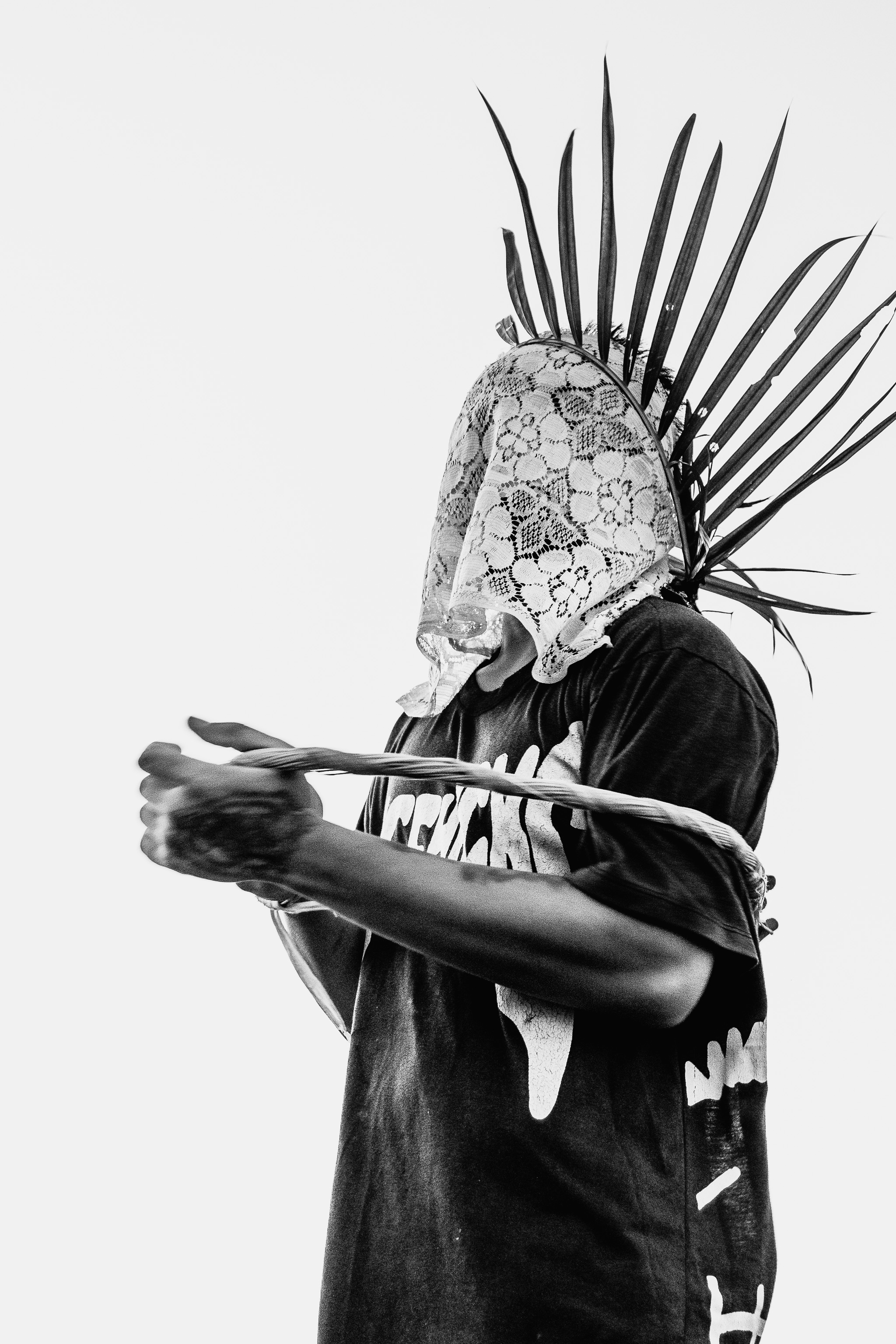
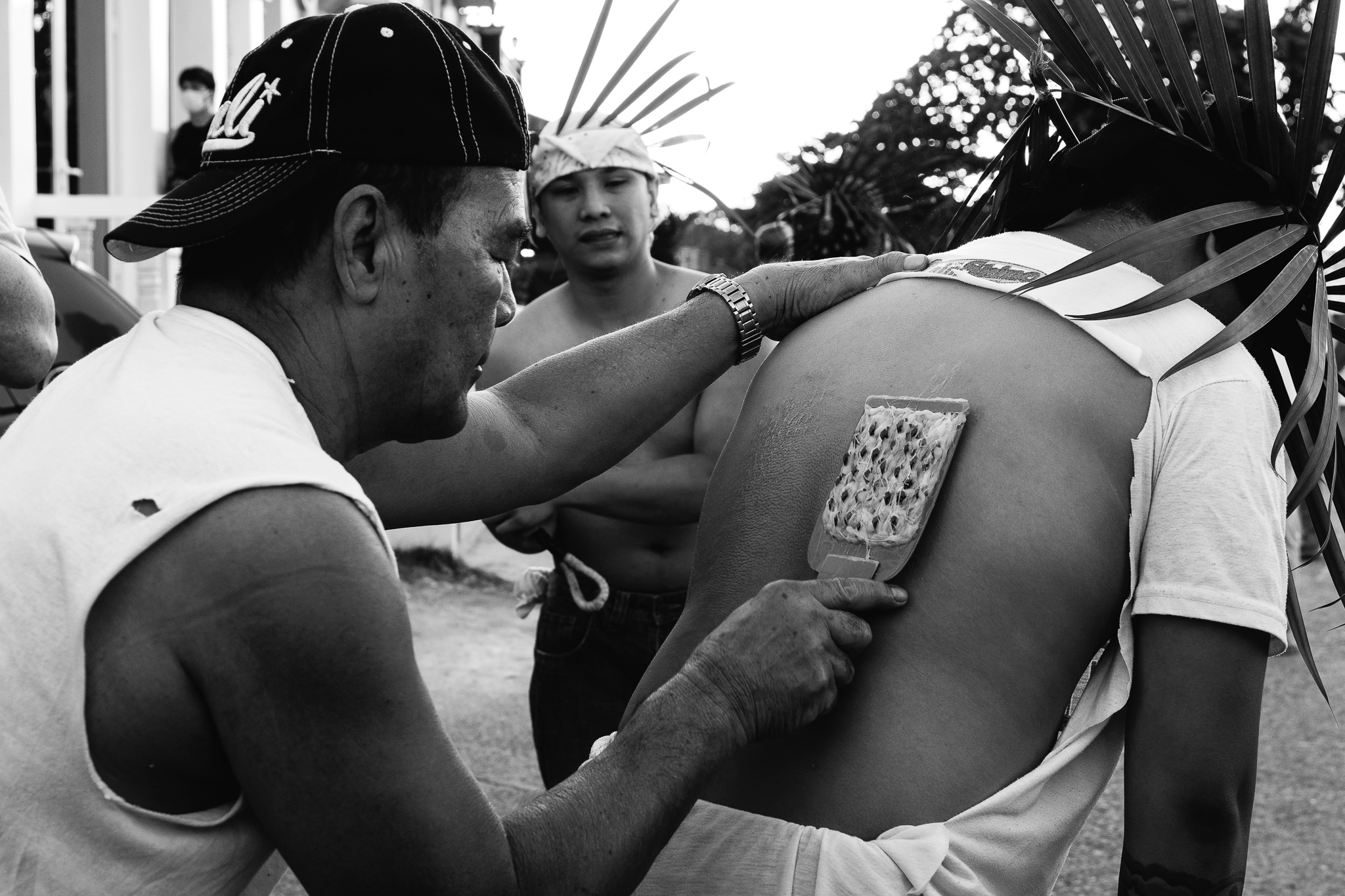
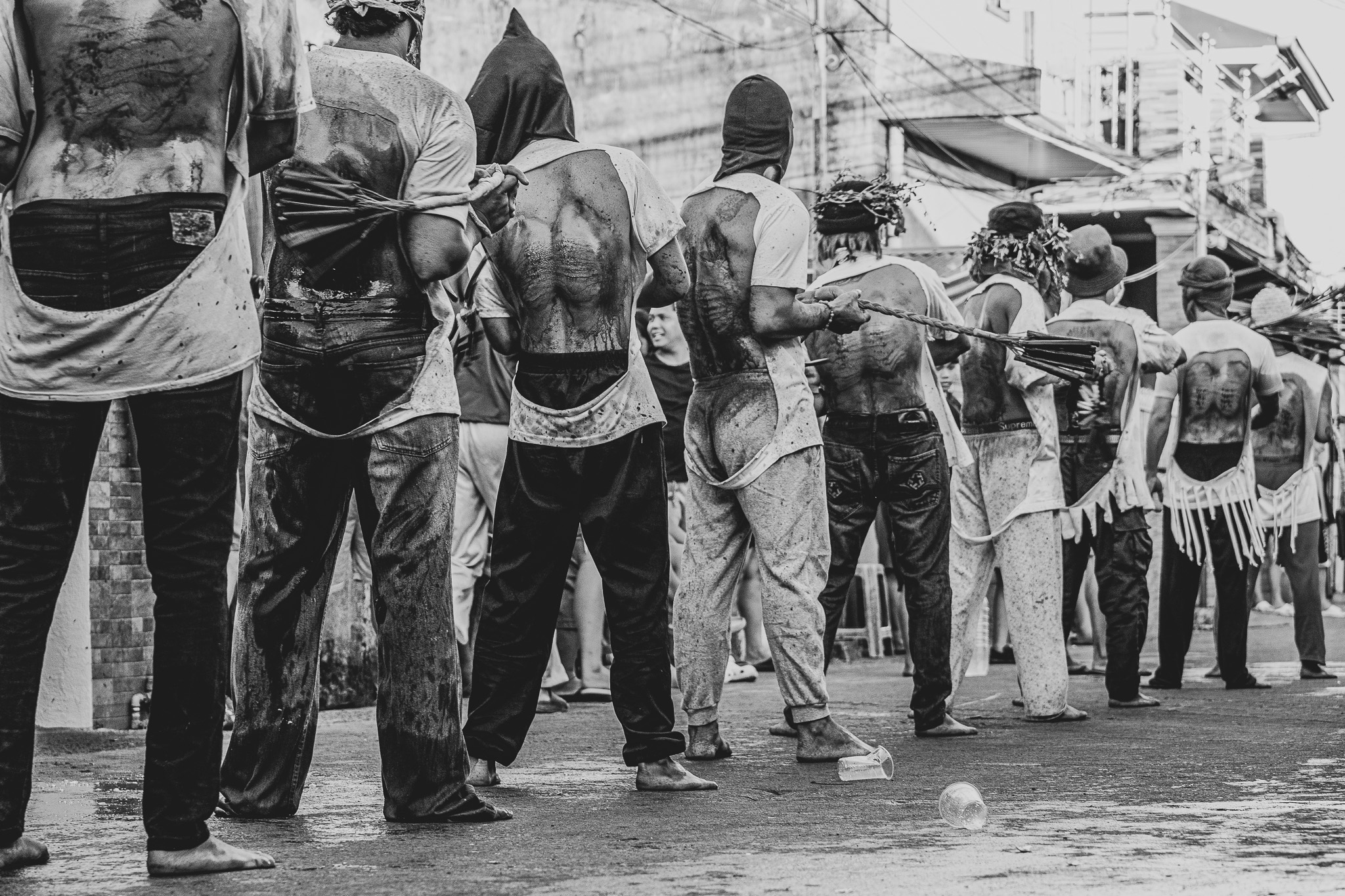
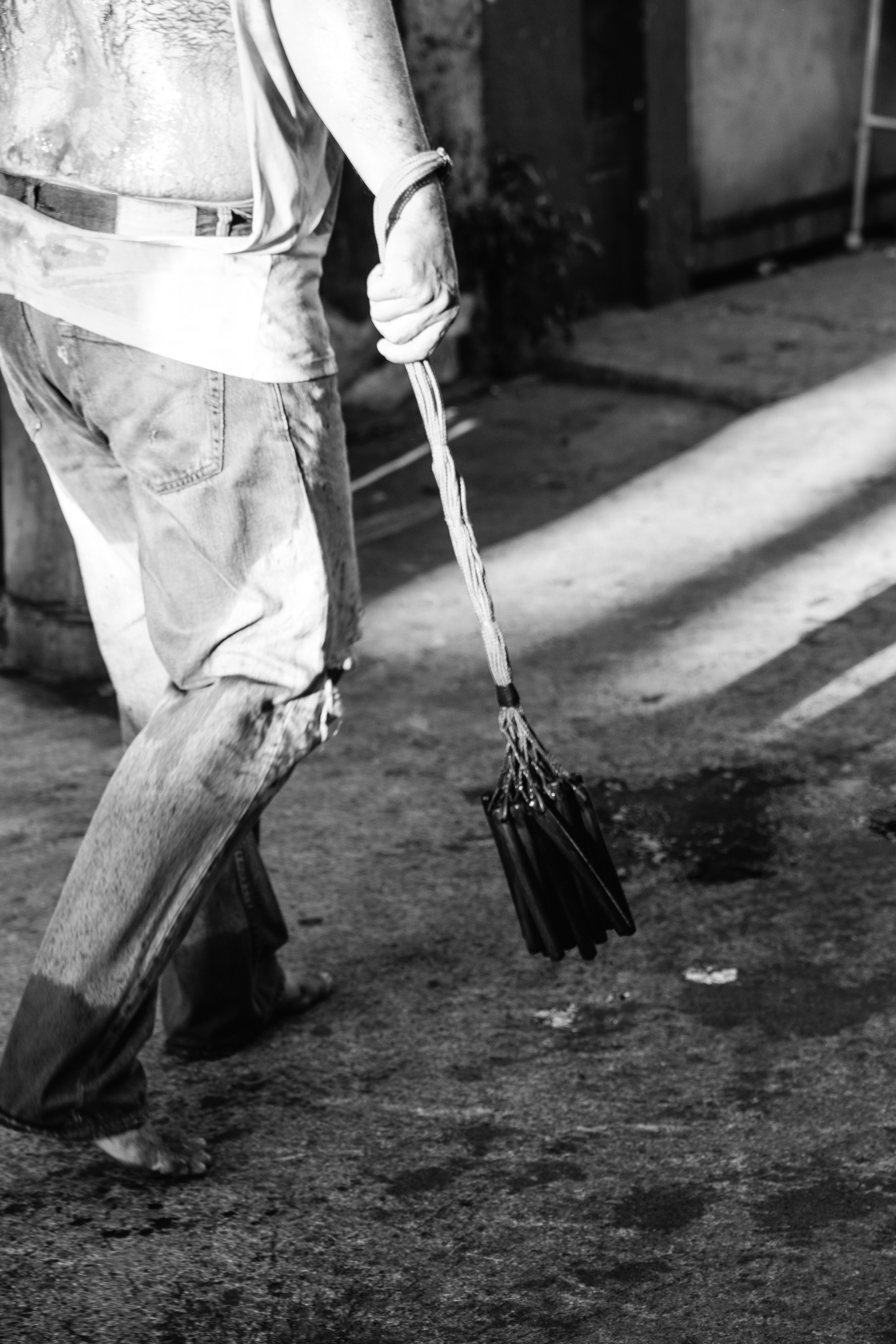
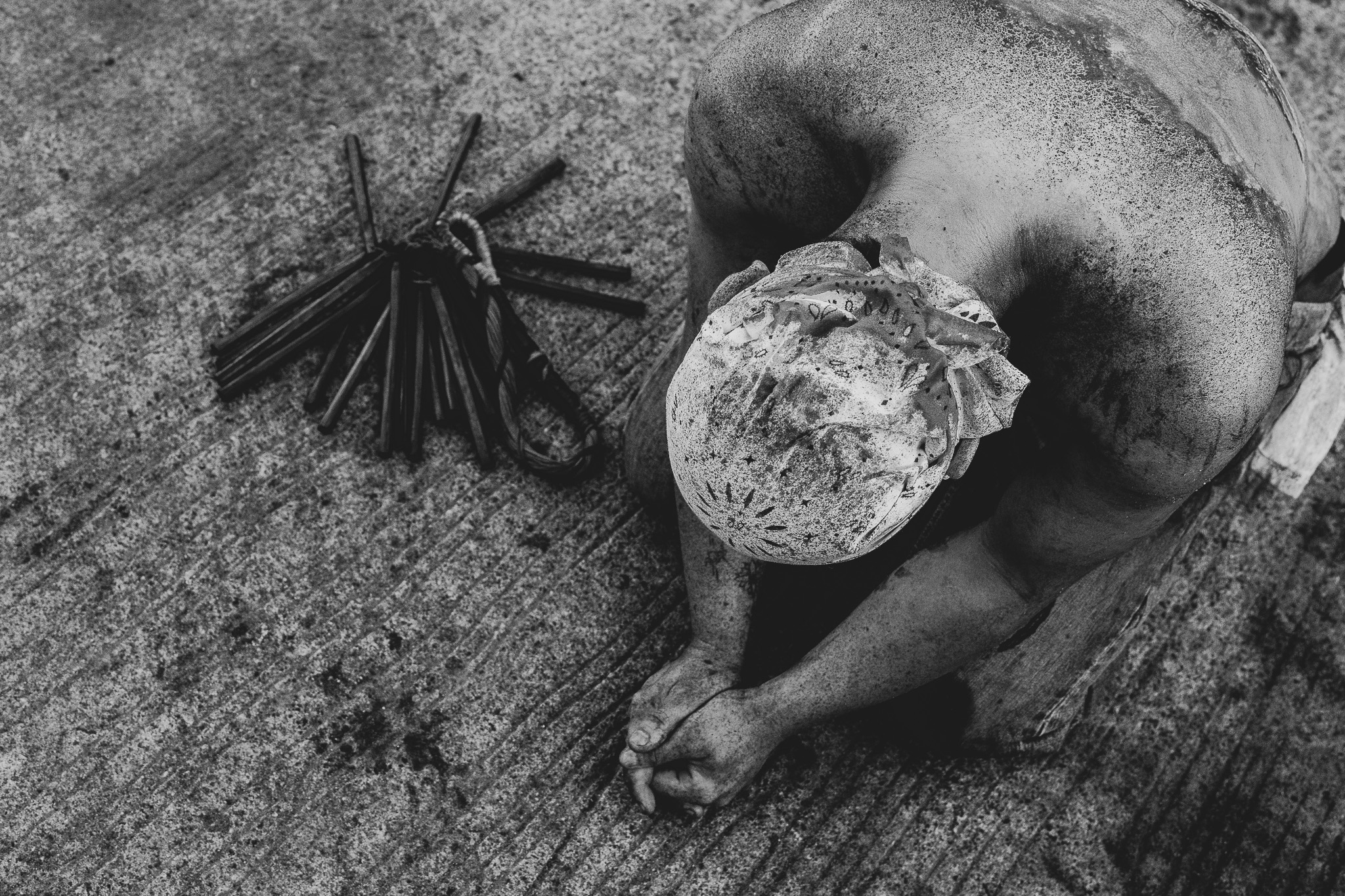
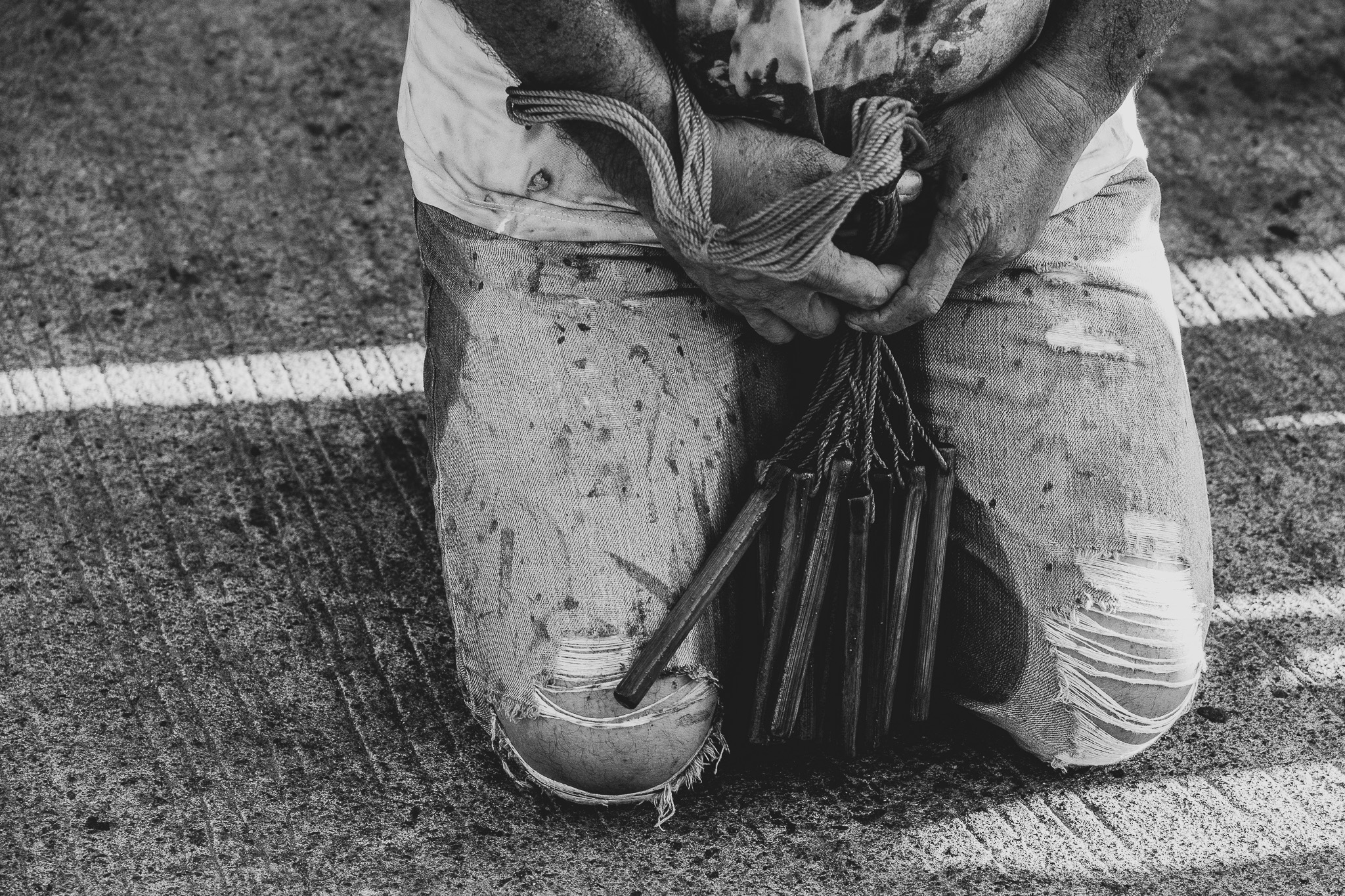
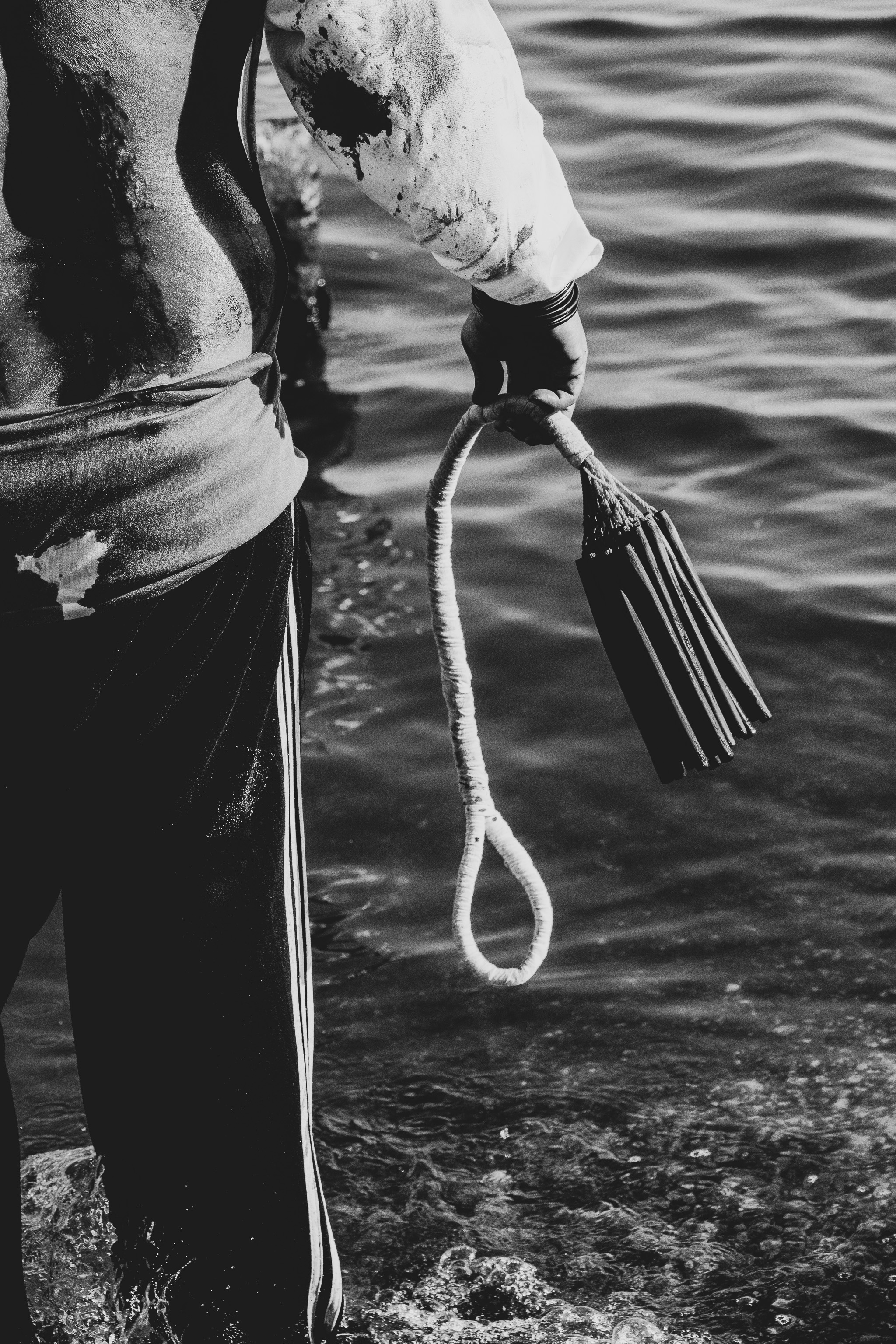
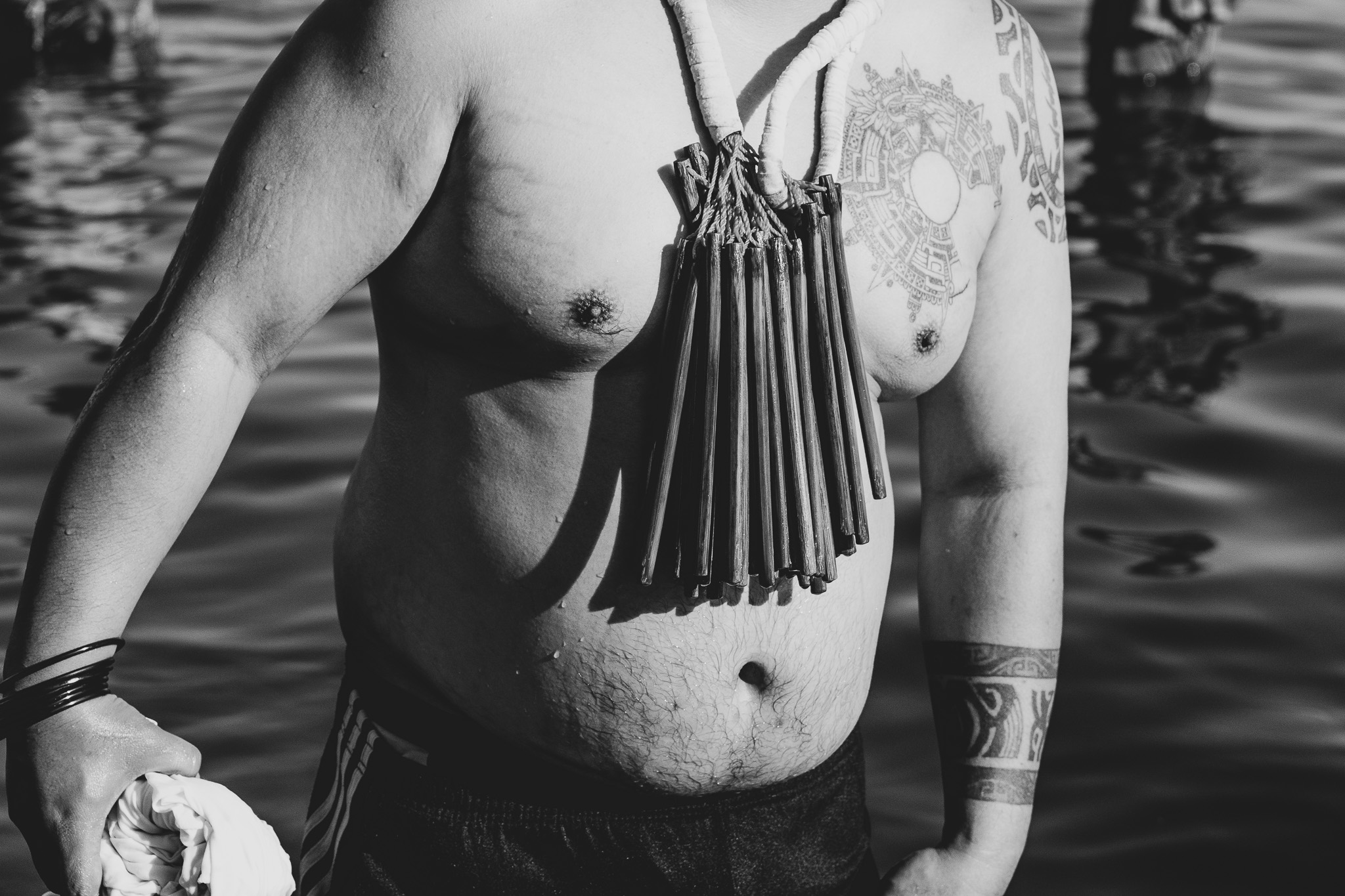
Before dawn breaks on Good Friday, devotees begin gathering in the cemetery. In the darkness, preparations for the ritual quietly unfold. Wooden sticks are repeatedly brought down onto bare backs until the skin swells. Once the flesh has thickened, wooden paddles fitted with razor blades are used to draw blood. What follows is not an isolated act of suffering, but the beginning of a journey undertaken as an expression of faith, repentance, and devotion.
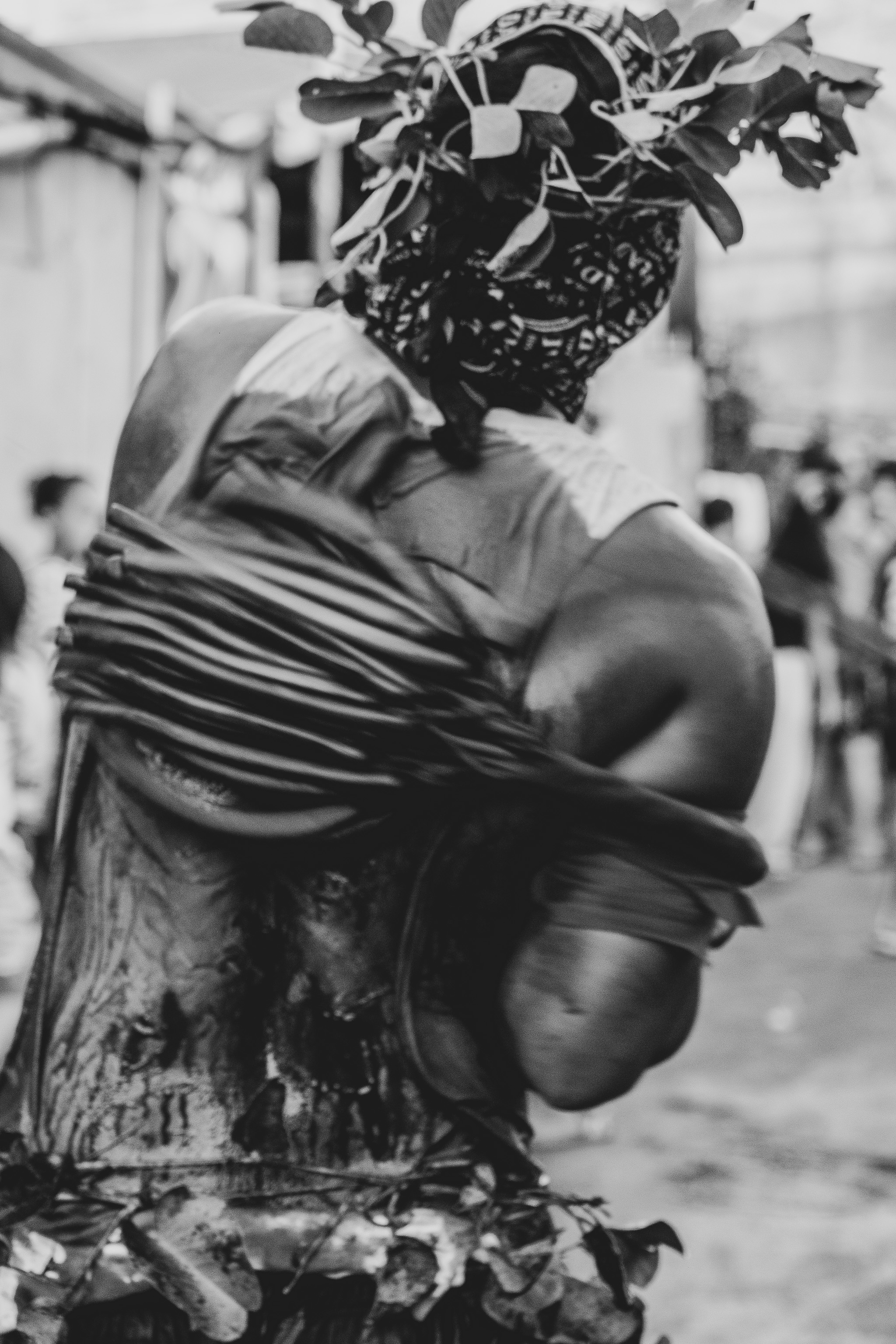
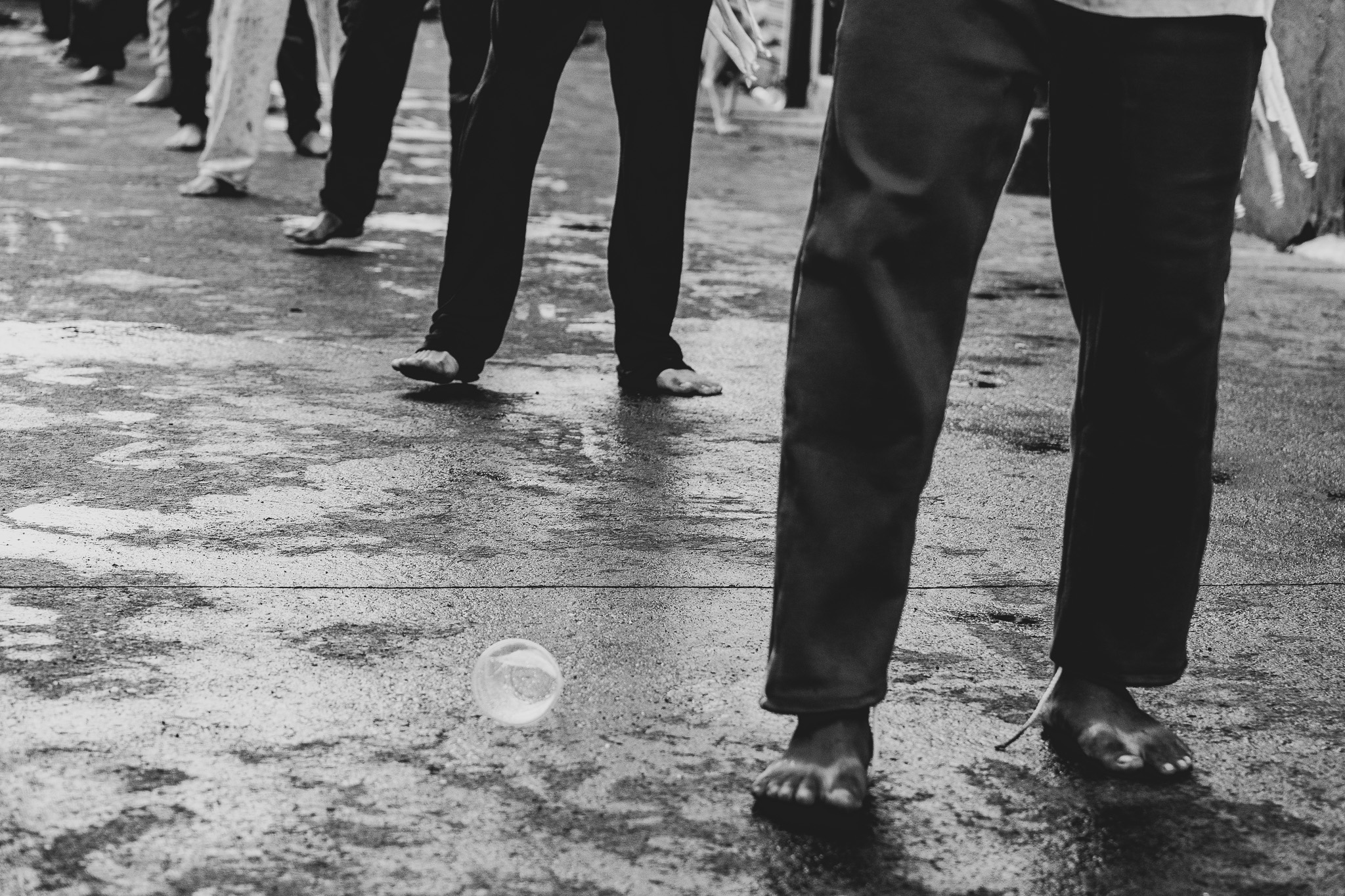
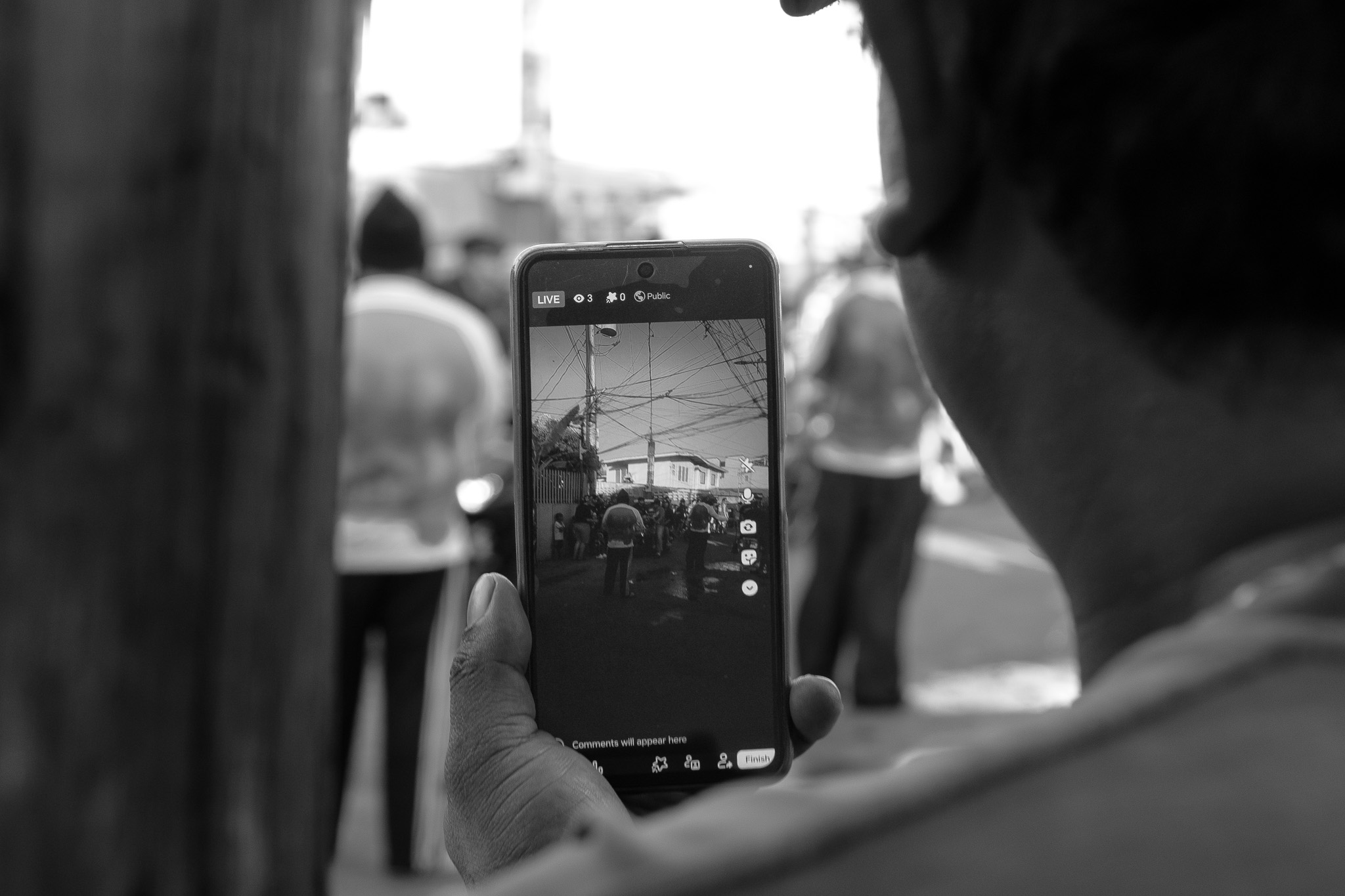
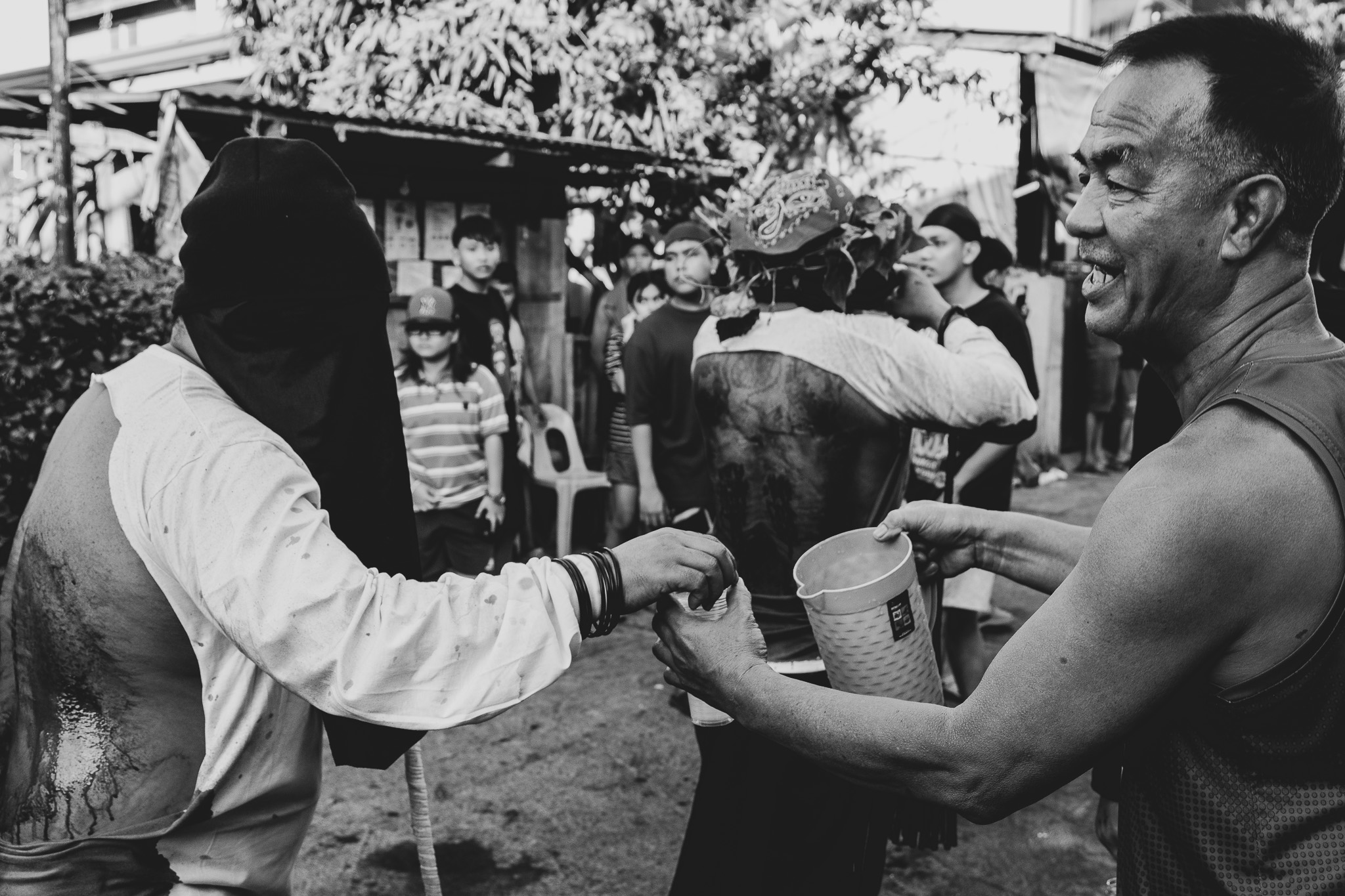
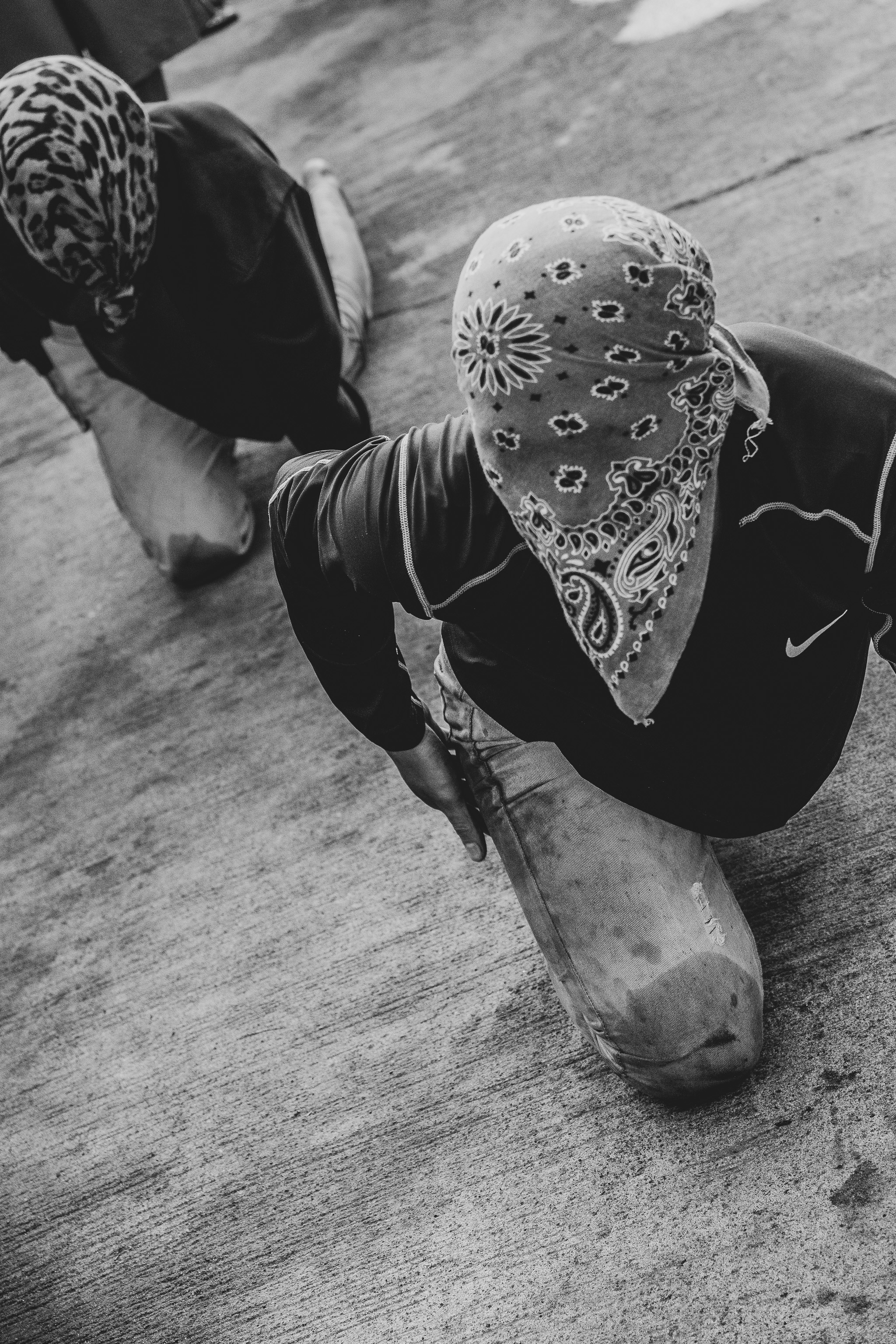
From the cemetery, participants begin their march through the streets toward the local church. With every step, many continue striking their backs, leaving trails of blood across roads that have witnessed the ritual for generations. The physical pain is unmistakable, yet the atmosphere is often marked by determination and solemnity rather than spectacle. Family members, fellow devotees, and onlookers accompany the procession, each bearing witness to a tradition deeply rooted in personal belief.
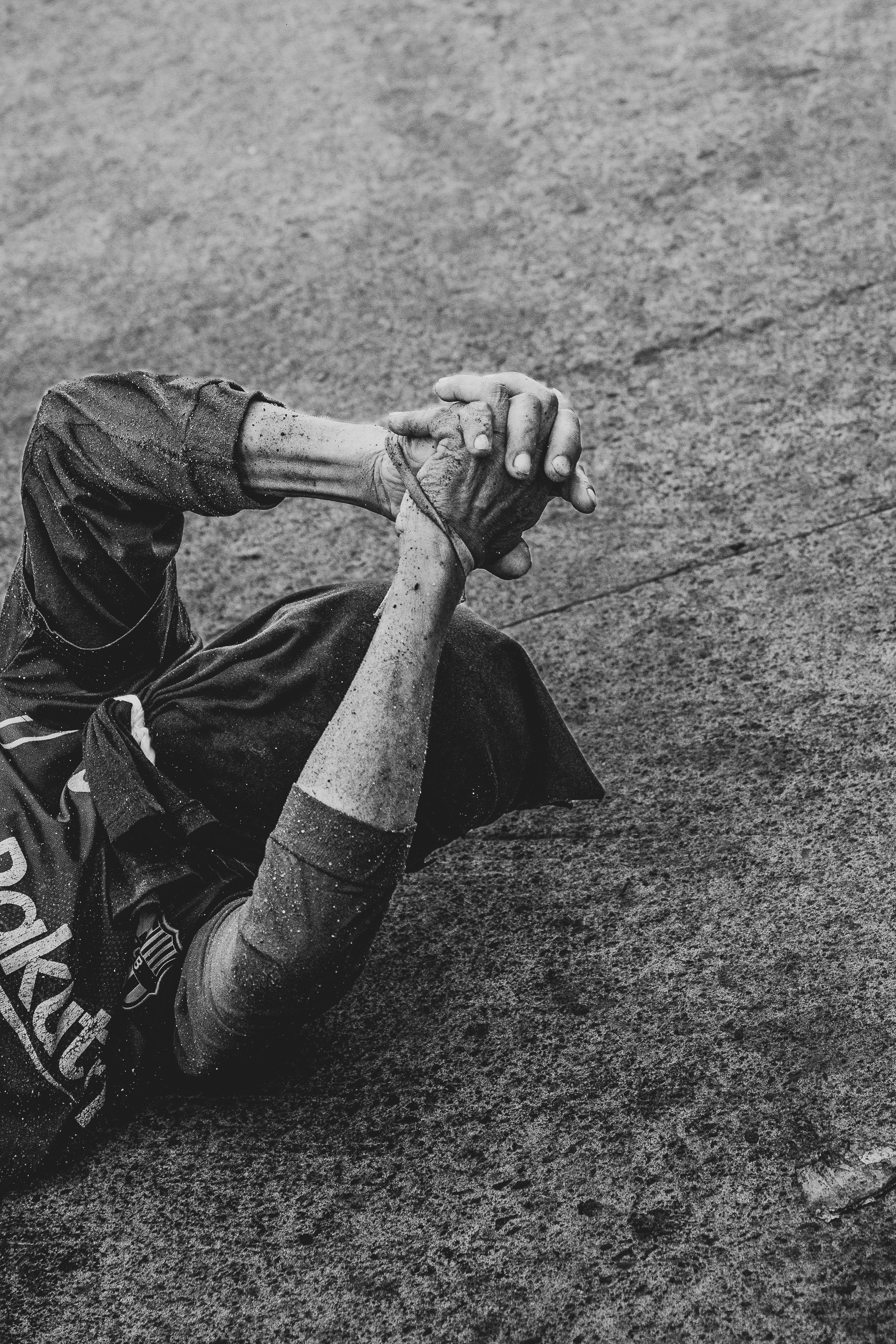
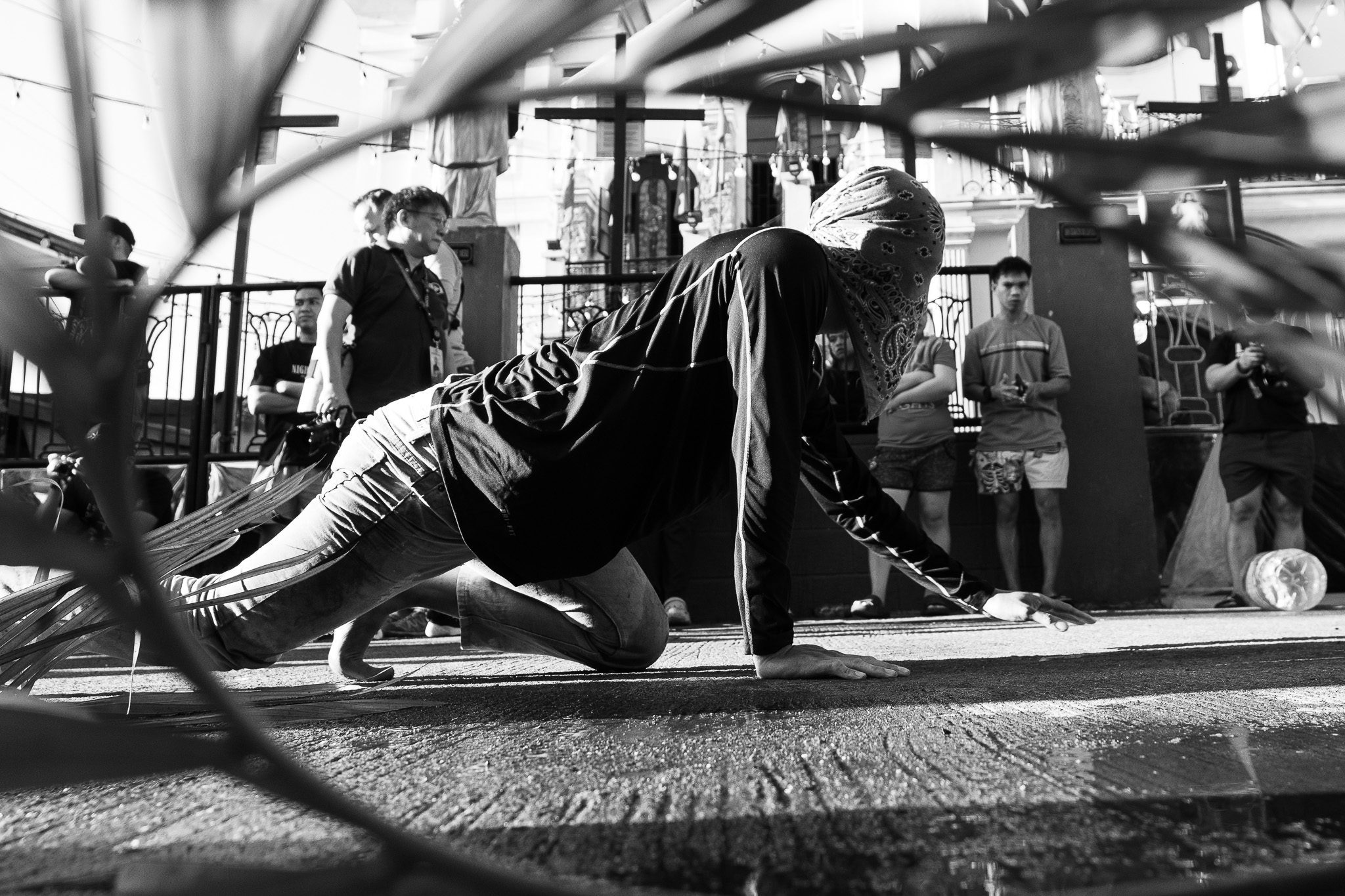
Upon reaching the church, the journey pauses. Devotees kneel before the church grounds in prayer, offering a moment of reflection after hours of sacrifice and endurance. Here, the ritual shifts from physical expression to spiritual contemplation, as participants complete the purpose that brought them to undertake the journey.
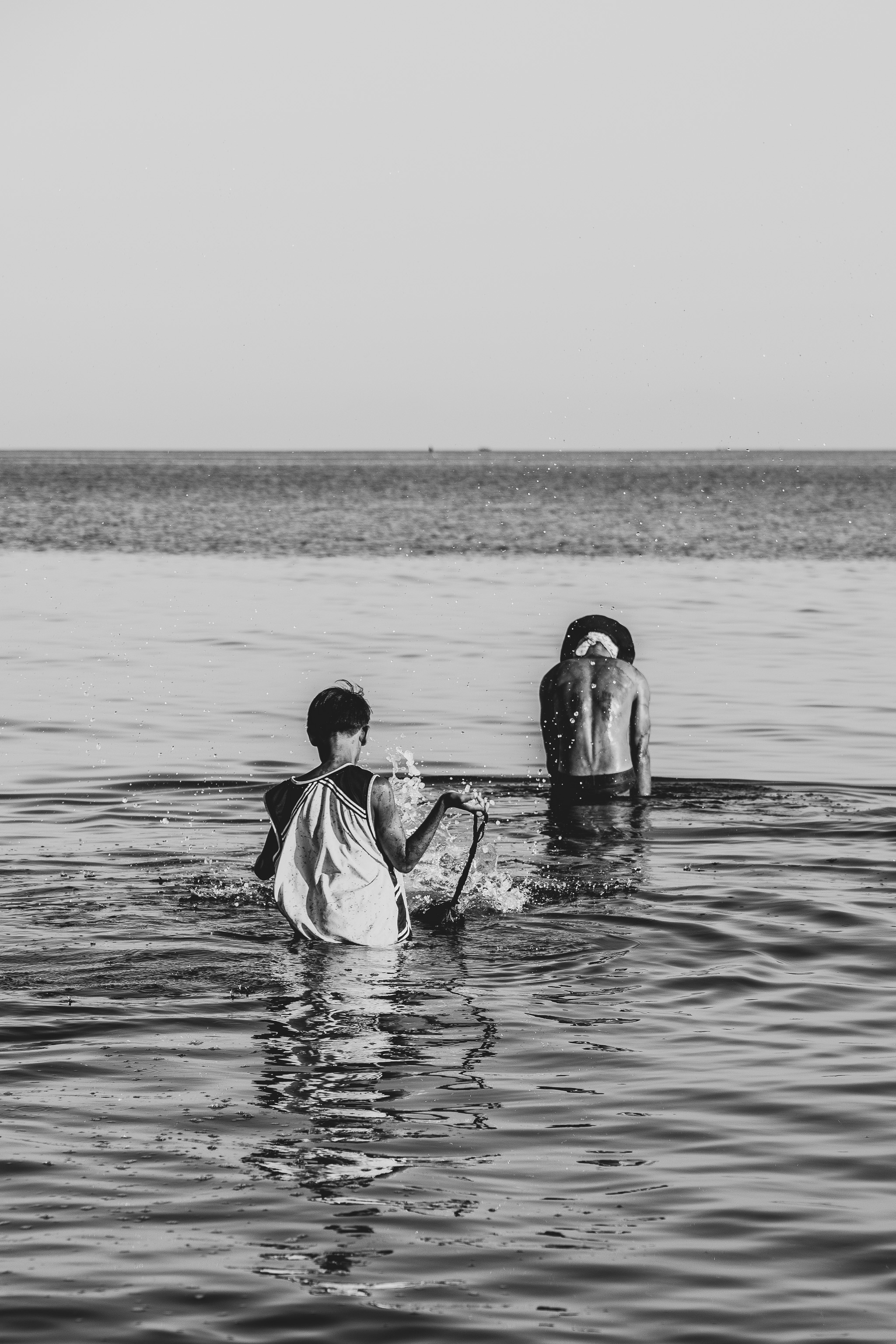
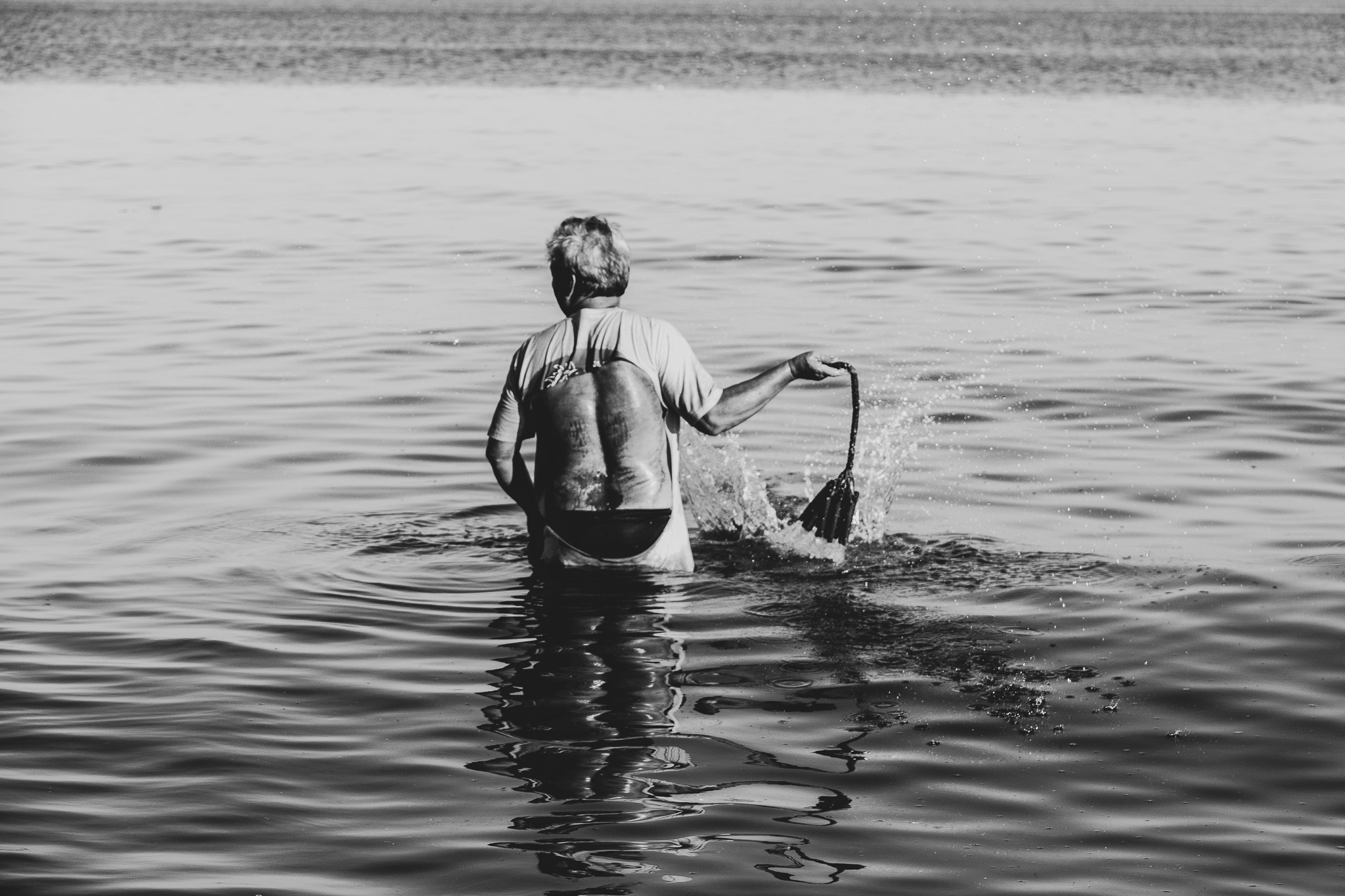
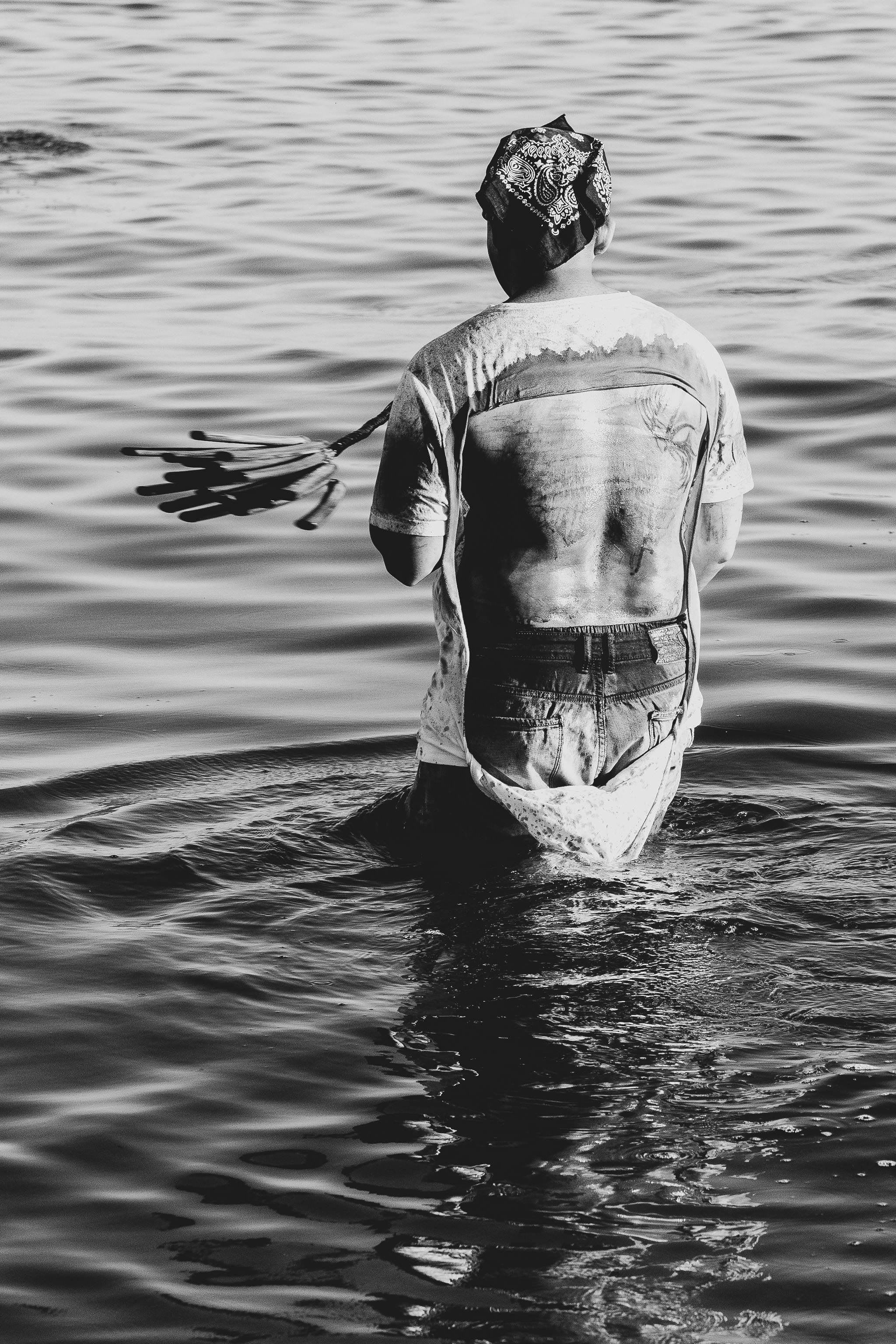
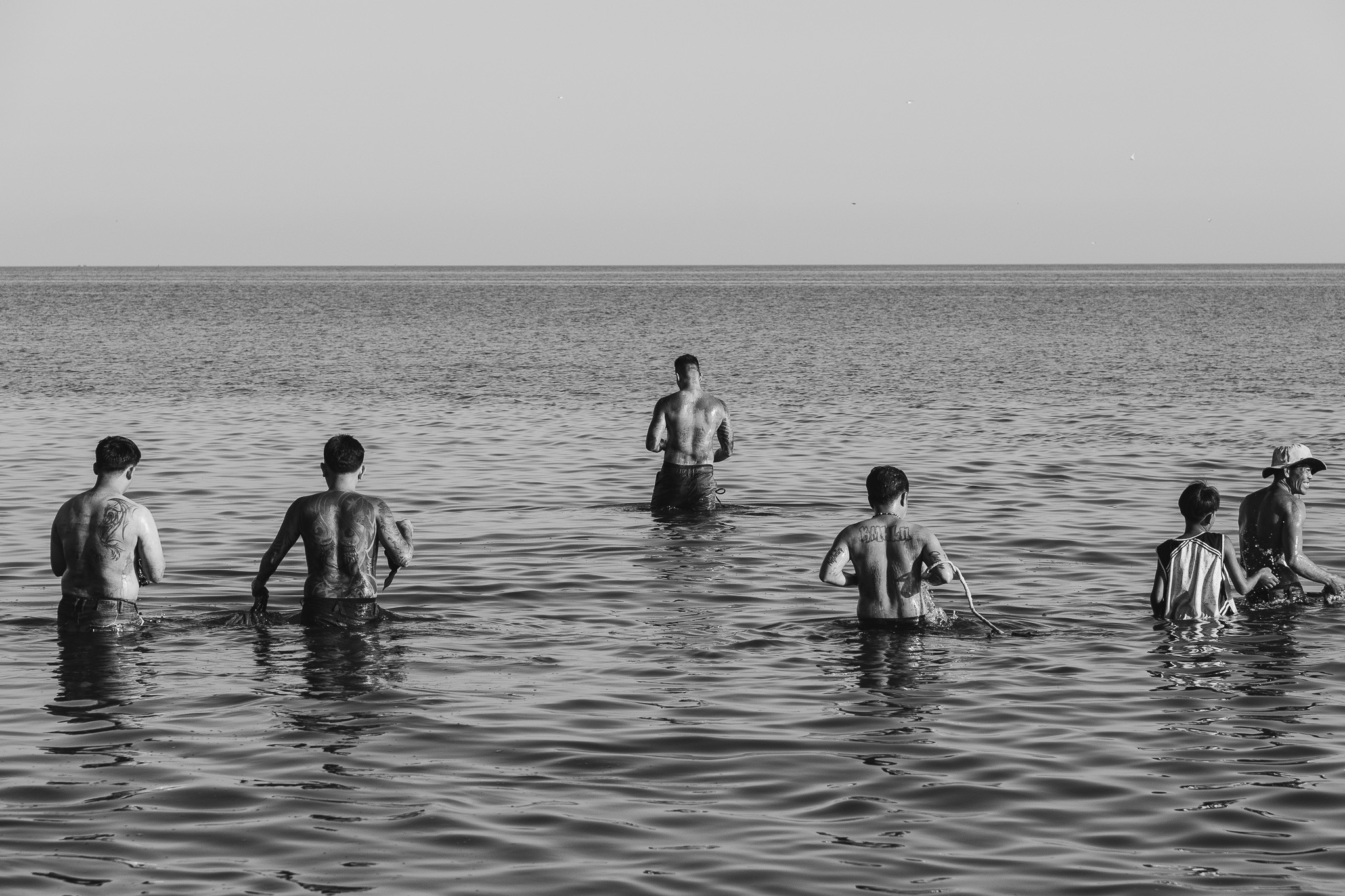
The final stage leads to the nearby shoreline, where the sea becomes a place of cleansing. Blood is washed away, wounds are rinsed, and the ritual comes to its conclusion. What began in the cemetery ends at the water's edge—a passage through suffering, prayer, and renewal.
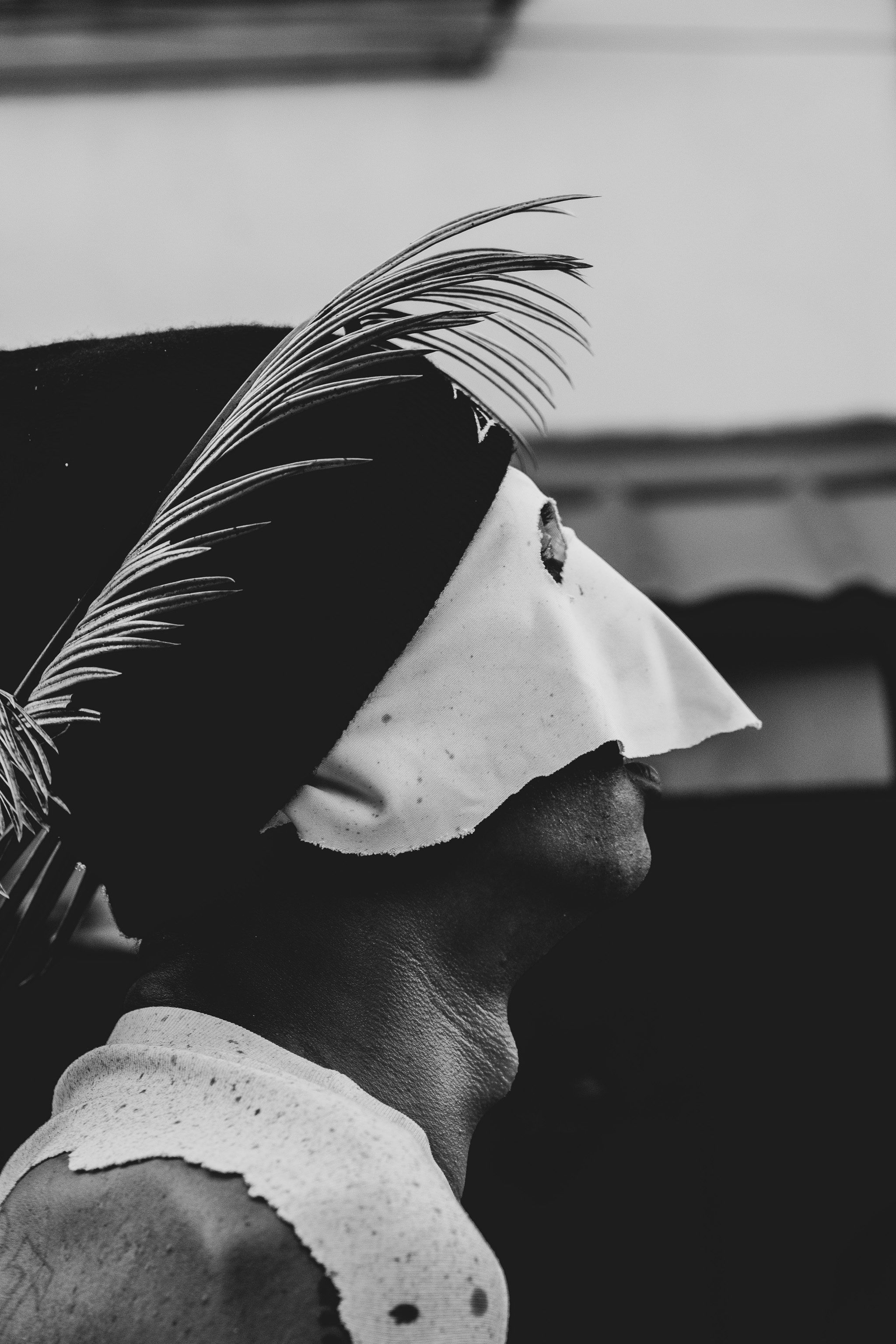
This series does not seek to explain or justify the practice, but rather to document a tradition that continues to occupy a unique place in Filipino religious life. Through these photographs, I aim to record not only the physical acts that define Penitensya, but also the devotion, conviction, and humanity of the individuals who participate in it. The images serve as a visual record of a ritual that exists at the intersection of faith, endurance, community, and tradition.